
 English
 Español
 Pусский
 Français
 Deutsch
 العربية
 ไทย
ไทย Türk dili
 Tiếng Việt


estrutura de fibra de carbono para drone
A carbon fiber frame for a drone is a critical component that significantly influences the performance, durability, and efficiency of the unmanned aerial vehicle (UAV). Carbon fiber is a lightweight, high-strength material composed of thin, tightly woven carbon filaments embedded in a polymer resin. This combination results in a material that is both exceptionally strong and incredibly light, making it an ideal choice for drone frames. Lightweight and StrongOne of the primary advantages of a carbon fiber frame is its high strength-to-weight ratio. Drones require frames that are both sturdy and lightweight to ensure optimal flight performance. Carbon fiber provides the necessary rigidity to withstand the stresses of flight, including turbulence, rapid maneuvers, and potential impacts, while keeping the overall weight of the drone to a minimum. This reduction in weight directly translates to improved battery life, allowing the drone to fly longer and carry heavier payloads. Durability and ResistanceCarbon fiber is known for its exceptional durability and resistance to environmental factors. Unlike metal frames, carbon fiber does not corrode, making it ideal for use in various weather conditions, including rain, humidity, and saltwater environments. Additionally, carbon fiber is highly resistant to fatigue, meaning it can endure repeated stress without weakening over time. This makes it a reliable choice for drones that are used frequently or in demanding applications. Vibration DampingAnother significant benefit of carbon fiber frames is their ability to dampen vibrations. Drones generate vibrations from their motors and propellers, which can affect the stability and quality of the footage captured by onboard cameras. Carbon fiber's inherent vibration-damping properties help to minimize these vibrations, resulting in smoother flights and clearer images or videos. Precision and CustomizationCarbon fiber frames can be manufactured with high precision, allowing for intricate designs that optimize the drone's aerodynamics and performance. The material can be molded into complex shapes, enabling manufacturers to create frames that are tailored to specific applications, whether for racing, photography, agriculture, or industrial inspections. This customization potential ensures that the drone can meet the unique requirements of its intended use. Thermal and Electrical PropertiesCarbon fiber also offers excellent thermal stability, maintaining its structural integrity across a wide range of temperatures. This is particularly important for drones operating in extreme climates. Additionally, carbon fiber is electrically conductive, which can be advantageous for grounding and reducing electromagnetic interference, ensuring the reliable operation of the drone's electronic components. Environmental ConsiderationsWhile carbon fiber is a synthetic material, its long lifespan and recyclability make it a relatively sustainable option compared to other materials. The durability of carbon fiber frames reduces the need for frequent replacements, minimizing waste. Furthermore, advancements in recycling technologies are making it increasingly feasible to reclaim and reuse carbon fiber, further enhancing its environmental credentials. ConclusionIn summary, a carbon fiber frame for a drone offers a combination of lightweight strength, durability, vibration damping, precision, and thermal stability that is unmatched by other materials. These properties make carbon fiber an ideal choice for drone frames, ensuring optimal performance, longevity, and reliability across a wide range of applications. Whether for recreational, commercial, or industrial use, a carbon fiber frame is a key component that enhances the capabilities of modern drones.
Produto
Categoria:
-
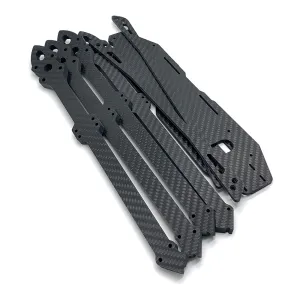
Folha de fibra de carbono de fuselagem UAV
Sua classificação: Folha de fibra de carbonoVistas: 128Número:Tempo de liberação: 2025-10-10 17:24:06A folha de fibra de carbono de fuselagem XYH UAV usa fibra de carbono de nível aeroespacial + matriz de resina, com densidade de 1,6g/cm³ (40% mais leve que o alumínio), resistência de -100 ℃ a 150 ℃ e resistência à tração do aço 7-10x. Disponível em 500x500/1000x1800mm, espessura de 0,5-100mm, é ideal para corpos de drones de fibra de carbono, estruturas FPV e fuselagens de UAV, garantindo durabilidade e eficiência de vôo.Visão geral do produtoNossa folha de fibra de carbono para fuselagem UAV é um material premium projetado para fabricação de corpos de drones. Fabricado com reforço de fibra... -
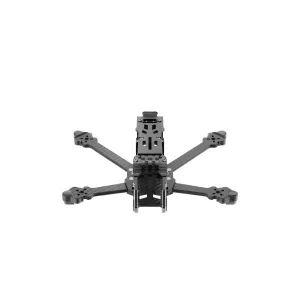
Quadro de fibra de carbono DoMain 3.6
Sua classificação: Quadro de drone de carbonoVistas: 123Número:Tempo de liberação: 2025-10-11 09:56:47A estrutura de fibra de carbono XYH DoMain 3.6 é uma estrutura FPV de 3,6 polegadas com estrutura DC (vôo estável), liga de alumínio 7075 + construção de fibra de carbono, distância entre eixos de 170 ± 3 mm, peso de 110g. Compatível com DJI-O3/VISTA/RAD MINI 1W VTX, FCs convencionais, adereços de 3,6 polegadas e GoPro. Inclui hardware completo e peças impressas em 3D, ideais para estilo livre e FPV de longo alcance.Visão geral do produtoProjetado para entusiastas de FPV, o quadro de fibra de carbono DoMain 3.6 integra uma estrutura DC (braço do drone) e construção híbrida de liga de alumínio-...
Notícias
Categoria:
-
[Industry news]Drones de fibra de carbono oferecem perspectivas de aplicaçã...
2025-09-29 10:22:56 -
[Industry news]Como os produtos de fibra de carbono reduzem o peso do drone
2025-09-16 14:33:06 -
[Industry news]Vantagens dos Drones de Fibra de Carbono
2025-09-13 14:38:27 -
[Industry news]Fabricação e processamento de peças de fibra de carbono
2025-09-09 09:57:41 -
[Industry news]Quais são as vantagens mecânicas dos drones de fibra de carb...
2025-09-09 10:21:40 -
[Industry news]Como construir um drone de fibra de carbono qualificado?
2025-09-08 10:25:47 -
[Industry news]Como podemos melhorar a precisão no processamento de produto...
2025-09-08 10:30:06
Caso
Categoria:
Nenhum resultado de pesquisa!
Vídeo
Categoria:
Nenhum resultado de pesquisa!
Download
Categoria:
Nenhum resultado de pesquisa!
Recrutamento
Categoria:
Nenhum resultado de pesquisa!
Produtos recomendados
Nenhum resultado de pesquisa!



 Telefone